
AI Surveillance for Retail: Beyond Just Catching Shoplifters

Updated: Jul 29

When retailers think about AI-enabled surveillance, the conversation usually starts and ends with shoplifting detection. That's a real and valid use case, but it substantially undersells what integrated AI surveillance can actually do for a retail operation — much of the value has nothing to do with catching theft in the act at all.
Beyond theft detection, what else AI-enabled retail surveillance can support:
Queue and checkout monitoring — flagging when checkout lines exceed a defined length or wait time, allowing staff to open additional counters proactively rather than reactively responding to customer frustration that's already built up.
Store traffic and dwell-time patterns — understanding where customers actually spend time in a store, which is operationally useful for merchandising decisions, entirely separate from any security purpose.
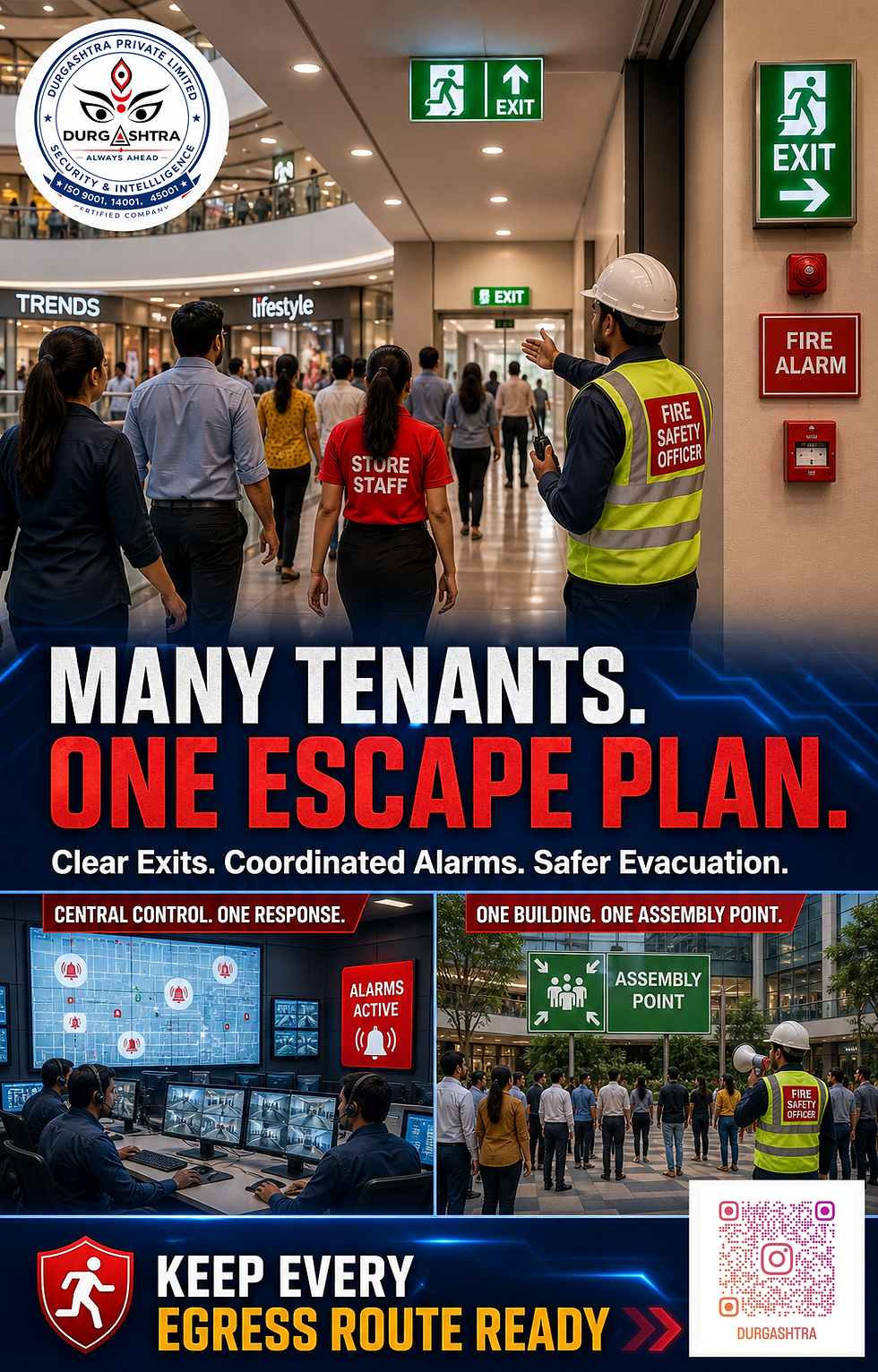
Safety hazard detection — spills, obstructions, or blocked emergency exits flagged automatically, supporting both customer safety and fire/life safety compliance, not just loss prevention.
Staff safety monitoring, particularly relevant for retail environments with higher risk of customer conflict or after-hours operations, where an AI system can flag an escalating interaction for faster staff or security response.
Organized retail crime pattern detection, as covered in a related piece, where coordinated group behavior is a distinct pattern separate from individual shoplifting that AI systems can be specifically trained to recognize.
Why this broader framing matters for the retailer's actual return on investment. A camera system justified purely on shrinkage reduction has to clear a specific cost-benefit bar based on theft prevented. The same system, evaluated across loss prevention, operational efficiency (queue management, traffic insight), safety compliance, and staff protection, delivers value across multiple business functions simultaneously — which is a stronger investment case than security value alone.
Why this requires the system to be configured deliberately, not just installed. Getting this broader value requires the AI system to be specifically set up to detect and report on these additional use cases, not just theft-related patterns — which means the initial configuration and ongoing tuning matter as much as the underlying camera hardware itself.
Where an integrated provider adds value here. Because Durgashtra manufactures its own AI-enabled camera systems and deploys them alongside trained retail security personnel, these broader use cases can be configured directly into the deployment from the outset, rather than retrofitting a security-only camera system to also serve operational purposes it wasn't originally designed for.
Durgashtra Private Limited designs AI-enabled retail surveillance systems configured for loss prevention, safety compliance, and operational insight beyond theft detection alone.


Comments